Understanding Linola H Fett N: A Gentle Yet Potent Aid for Inflamed Skin
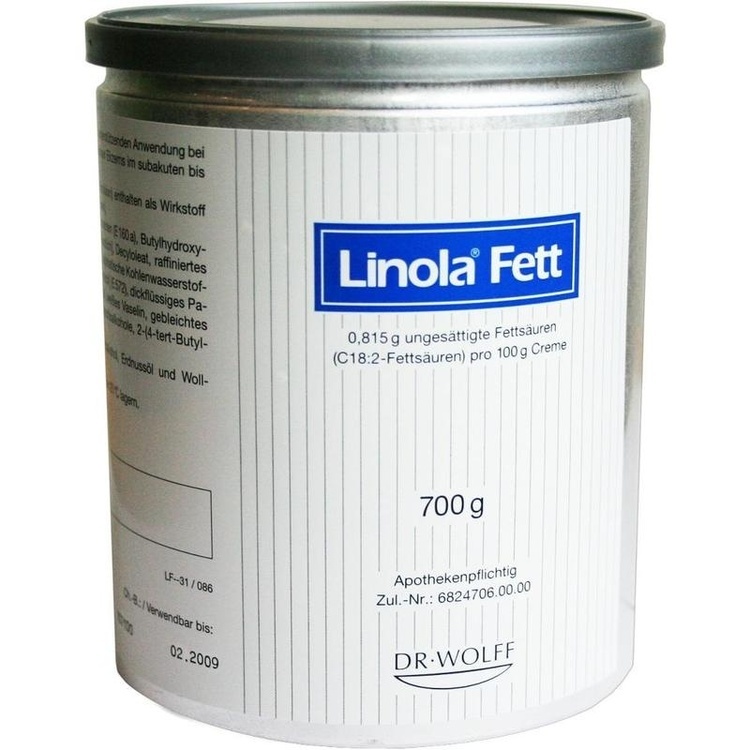
Linola H Fett N is a well-regarded anti-inflammatory cream specifically formulated for application on the skin. Its primary purpose is to provide relief and treatment for various inflammatory skin conditions where the use of mild glucocorticosteroids is deemed appropriate and effective. At its core, Linola H Fett N contains an active ingredient, Prednisolone, which belongs to the corticosteroid family. This component works by reducing inflammation, redness, and itching, characteristic symptoms of many dermatological issues.
While its efficacy in managing discomfort and promoting healing is undeniable, understanding the nature of Linola H Fett N is the first step towards its safe and effective use. Corticosteroids, even in their mildest forms, are potent compounds, and their application requires adherence to specific guidelines and precautions. This article delves into the critical considerations and essential precautions users must be aware of to ensure a positive outcome and minimize potential risks when incorporating Linola H Fett N into their skincare regimen. For a deeper dive into its general uses, you can explore Linola H Fett N Cream: Relief for Inflamed Skin Conditions.
Crucial Contraindications: When Linola H Fett N Is NOT Your Solution
While Linola H Fett N offers significant benefits for specific inflammatory skin conditions, there are definitive circumstances under which its use is strongly discouraged or outright prohibited. These contraindications are in place to protect your health and prevent the exacerbation of existing conditions or the development of new complications. Always consult with a healthcare professional before initiating any new medication, including topical creams.
- Allergies and Hypersensitivity: The most fundamental contraindication is a known allergy to Prednisolone, the active ingredient, or to any of the other components listed in the cream's formulation. Critically, this includes allergies to peanut or soy, as these can be present as excipients. Always scrutinize the full ingredient list to ensure no allergic reactions occur.
- Viral Skin Diseases: Linola H Fett N should never be used on skin affected by viral infections. Corticosteroids can suppress the immune response, potentially allowing viruses to multiply unchecked and worsen the infection. This includes common viral ailments such as herpes simplex (e.g., cold sores), herpes zoster (shingles), and varicella (chickenpox). Applying Linola H Fett N in these cases could prolong the illness, spread the infection, or intensify symptoms.
- Specific Systemic Skin Conditions: Certain specific dermatological manifestations of systemic diseases are contraindications. These include skin conditions associated with tuberculosis (TB) and syphilis (lues). These conditions require very specific, targeted treatments, and a corticosteroid cream like Linola H Fett N would be inappropriate and potentially harmful, as it might mask symptoms without addressing the underlying systemic issue.
- Vaccination Reactions: Do not apply Linola H Fett N to areas of the skin showing a reaction to a recent vaccination. The body's immune response to a vaccine is crucial for developing immunity, and a corticosteroid could interfere with this process or exacerbate local reactions in an undesirable way.
- Perioral Dermatitis, Acne, and Rosacea: Linola H Fett N is not recommended for inflammatory skin manifestations around the mouth (perioral dermatitis), acne, or rosacea (facial redness, often with inflammatory or pustular lesions). Corticosteroids, especially on delicate facial skin, can paradoxically worsen these conditions over time, leading to thinning of the skin, increased redness, or steroid-induced acne.
- Application on the Eyelid: Due to the extreme sensitivity and thinness of the skin around the eyes, and the risk of the active ingredient entering the eye, application on the eyelid is contraindicated. This could lead to ocular complications such as glaucoma or cataracts with prolonged use.
- First Trimester of Pregnancy: During the crucial first trimester of pregnancy, Linola H Fett N is absolutely contraindicated. The developing fetus is particularly vulnerable during this period, and exposure to corticosteroids should be avoided.
Understanding these contraindications is paramount. If any of these apply to you, it is essential to seek alternative treatments under the guidance of your doctor or pharmacist. Self-diagnosis and treatment, especially when contraindications are present, can lead to serious health repercussions.
Important Warnings and Special Precautions for Application
Beyond the outright contraindications, there are several situations where Linola H Fett N requires particular caution and often, direct medical supervision. Adhering to these special precautions ensures you derive the maximum benefit while safeguarding your skin and overall health.
- Facial Application: The skin on the face is considerably more delicate and susceptible to the effects of corticosteroids than skin on other body parts. If Linola H Fett N must be used on the face, it should be applied with extreme caution, for the shortest possible duration, and only under strict medical advice to prevent undesirable skin changes such as thinning, telangiectasias (spider veins), or steroid-induced skin conditions. For more details on facial application and other specific scenarios, refer to Linola H Fett N: Pregnancy, Face Use & Latex Product Safety.
- Concomitant Bacterial or Fungal Infections: If your inflammatory skin condition is complicated by a bacterial or fungal infection, Linola H Fett N alone is insufficient. Corticosteroids can reduce inflammation, but they do not kill bacteria or fungi. In such cases, Linola H Fett N should only be used in conjunction with other specific medications that are effective against the bacterial or fungal pathogens. Your doctor will prescribe the appropriate combination therapy. Using Linola H Fett N without an anti-infective agent could allow the infection to spread or become more severe, potentially masking the symptoms.
- Interaction with Latex Products: A critical, often overlooked, precaution involves the concurrent use of Linola H Fett N with latex products, particularly in the genital or anal areas. The cream contains other ingredients such as paraffin, petrolatum (vaseline), and stearates. These substances can degrade the integrity and reduce the functional reliability of latex products, including condoms and diaphragms. This impairment could lead to a reduction in their contraceptive efficacy or their ability to protect against sexually transmitted infections. If you rely on latex barrier methods, discuss alternative contraception or treatment options with your healthcare provider.
- Vision Disturbances: Although topical corticosteroids are primarily for skin application, systemic absorption can occur, particularly with extensive or long-term use. If you experience blurred vision or any other visual disturbances while using Linola H Fett N, it is imperative to contact your doctor immediately. This could be an indication of ocular side effects, such as cataracts or glaucoma, which require prompt medical evaluation.
- Drug Interactions: While the provided information states no known interactions with other medications for Linola H Fett N specifically, it is always a best practice to inform your doctor or pharmacist about all other medications you are currently using or intend to use. This includes prescription drugs, over-the-counter medicines, herbal remedies, and supplements. Although direct interactions might be rare for topical Prednisolone, your healthcare provider can assess your complete medication profile to ensure safety and prevent any unforeseen complications.
Pregnancy, Breastfeeding, and Fertility: Navigating Use with Care
The decision to use any medication during pregnancy or breastfeeding requires careful consideration, weighing the potential benefits against the risks. This is especially true for corticosteroids like Linola H Fett N.
- Pregnancy:
- First Trimester: As previously mentioned, Linola H Fett N is strictly contraindicated during the first trimester of pregnancy. This is the period of crucial organ development for the fetus, and exposure to corticosteroids should be avoided entirely.
- Second and Third Trimesters: During the later stages of pregnancy, Linola H Fett N may only be used after a thorough risk-benefit assessment by your treating physician. Even then, its use should be minimized. Specifically, extensive application (over large body surface areas), long-term use, and occlusive dressings (airtight bandages that enhance absorption) must be avoided. The goal is to use the lowest effective dose for the shortest possible duration to manage the skin condition while minimizing any potential fetal exposure.
- Breastfeeding: The active ingredient in Linola H Fett N, Prednisolone, is known to pass into breast milk. While the amount transferred from topical application is generally small, caution is still advised. Similar to pregnancy, extensive or long-term application should be avoided during breastfeeding. If application to the breast area is necessary, it is crucial to apply the cream after breastfeeding and to thoroughly clean the area before the next feeding to prevent the infant from ingesting the medication directly. Always consult your doctor or pharmacist for personalized advice if you are breastfeeding and considering using Linola H Fett N.
- Fertility: The provided reference does not explicitly detail the effects of Linola H Fett N on fertility. In general, topical corticosteroids are not typically associated with fertility issues. However, if you are planning to conceive or have concerns about fertility, it is always prudent to discuss all medications you are using with your doctor. They can provide reassurance or recommend alternatives if necessary.
These guidelines underscore the importance of open communication with your healthcare provider. Your doctor or pharmacist can offer the most accurate and personalized advice based on your individual health status and circumstances, ensuring the safest possible use of Linola H Fett N during these sensitive life stages. For further context on pregnancy-related usage, revisit Linola H Fett N: Pregnancy, Face Use & Latex Product Safety.
Conclusion: Empowering Safe Skin Care with Linola H Fett N
Linola H Fett N is an effective topical cream for managing inflammatory skin conditions, offering much-needed relief from redness, itching, and inflammation. However, its therapeutic benefits are best realized when coupled with a comprehensive understanding of its precautions and contraindications. From avoiding its use in the presence of viral infections and certain facial conditions to exercising extreme caution during pregnancy and when using latex products, responsible application is key.
Always prioritize an informed approach: thoroughly read the patient information leaflet, openly discuss your medical history, current medications, and any specific concerns with your doctor or pharmacist. This proactive engagement with your healthcare providers empowers you to make safe and informed decisions about your skin health. By adhering to these essential guidelines, you can harness the benefits of Linola H Fett N effectively, ensuring both relief for your skin and peace of mind for your overall well-being. For a broader view of how this cream can offer relief, consult Linola H Fett N Cream: Relief for Inflamed Skin Conditions.